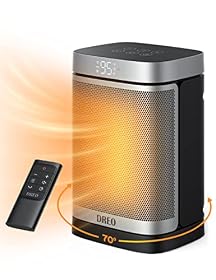
Best space heater for large living room supplemental heat
The best space heater for a large living room is one that matches the room’s heat loss, electrical circuit, and how you use the space. Learn when a 1,500-watt heater is enough, which heater types make sense, and how to use one safely.
A space heater can make a large living room more comfortable, but a typical portable model will not replace the room’s main heating system. Most household plug-in heaters are limited to about 1,500 watts, so the practical goal is usually supplemental heat—warming the seating area or the part of the room you use most rather than heating every cubic foot evenly.
For a large living room, prioritize a heater with adjustable output, a thermostat, strong safety features, and a design suited to the way heat needs to move through the space. A fan-forced ceramic heater can spread warmth quickly, while an oil-filled radiator provides quieter, steadier heat near one location.
What to look for in a large-room space heater
Check the wattage and electrical circuit
A heater’s wattage determines how much electrical energy it can turn into heat. A common portable heater offers low and high settings, with the high setting often near the maximum capacity of a standard household circuit.
Before choosing a high-output heater:
Plug it directly into a properly rated wall outlet.
Do not use an extension cord, power strip, or multi-outlet adapter unless the manufacturer specifically permits it and the cord is rated for the load.
Avoid running another high-wattage appliance on the same circuit.
Stop using the heater if the plug, outlet, or cord becomes hot, discolored, loose, or damaged.
Two heaters do not necessarily heat a large room better if they overload the same circuit. If you are considering multiple heaters, use separate suitable circuits and follow the manufacturer’s instructions. An electrician should evaluate unusual wiring, frequently tripped breakers, or warm outlets.
Choose realistic coverage
Room-size coverage numbers are useful for comparison but are not universal. Heat loss depends on ceiling height, windows, insulation, outside temperature, drafts, and whether the room opens into a hallway or another floor.
A single portable heater is more likely to work well when:
You need warmth near a sofa, desk, or reading chair.
The room has a door or other way to limit air movement.
The primary heating system already keeps the room moderately warm.
Windows and exterior doors are reasonably well sealed.
A single heater may disappoint when the living room has vaulted ceilings, large uncovered windows, an open floor plan, poor insulation, or a frequently opened exterior door. In those situations, improve drafts and use the heater as zone heat rather than expecting it to heat the entire room evenly.
Look for a thermostat, not just a high setting
A thermostat can cycle the heater off after the surrounding air reaches the selected temperature. This is generally more useful than operating continuously at maximum output, especially when you want to maintain comfort for several hours.
A built-in thermostat senses temperature near the heater, not necessarily across the room. Keep the unit positioned so furniture, curtains, and walls do not distort the reading.
Which type is best for supplemental living-room heat?
Ceramic fan heaters: best for quick, directed warmth
Ceramic heaters use an electric heating element and a fan to move warm air into the room. They are useful when you want to feel heat quickly or direct it toward a seating area.
Advantages include:
Fast heat distribution
Compact designs
Adjustable heat settings
Oscillation on some models
The fan creates audible noise and may move dust around the room. Keep the air intake and outlet clear, and clean the unit only as directed by the manufacturer.
Oil-filled radiators: best for quiet, steady heat
Oil-filled radiators heat an internal fluid and release warmth gradually through their metal fins. They do not burn oil; the fluid is sealed inside the heater.
They can be a good choice when:
Quiet operation matters
You want steady warmth near one seating area
You prefer no fan blowing across the room
The heater can remain in a stable, unobstructed location
They take longer to feel warm than fan heaters and are not ideal if you need immediate heat across a widely distributed room. Their exterior can also become hot, so keep children, pets, fabrics, and furniture away from the unit.
Infrared heaters: best for direct personal warmth
Infrared heaters warm people and objects in their line of sight rather than relying entirely on moving warm air through the room. They can be effective for a person sitting in a particular location, but they may not warm a large living room uniformly.
Consider one when your goal is personal comfort in a defined area. It is less suitable if you expect the entire room to reach the same temperature, especially when the seating areas are spread apart.
Product prices and availability are accurate as of the date/time indicated and are subject to change. Any price and availability information displayed on Amazon.com at the time of purchase will apply to the purchase of this product.
Safety features that matter
For a living room, look for a heater with the following protections where available:
Tip-over shutoff
Overheat protection
A thermostat
A sturdy, stable base
A clearly visible power switch
A cord long enough to reach a wall outlet without stretching
Place the heater on a level, hard, nonflammable surface. Keep it at least three feet from curtains, bedding, upholstered furniture, paper, clothing, and other combustible materials unless the manufacturer specifies a different clearance. Never cover the heater, block its vents, or use it to dry clothing.
Turn it off when leaving the room or going to sleep unless the manufacturer specifically provides and permits a suitable operating mode—and even then, follow all safety instructions. A smoke alarm should be installed and working in the home.
Product prices and availability are accurate as of the date/time indicated and are subject to change. Any price and availability information displayed on Amazon.com at the time of purchase will apply to the purchase of this product.
Placement makes a major difference
The best location depends on whether you want to warm the whole room or a particular zone.
For zone heating:
Place the heater several feet from the seating area.
Aim warm air into the occupied zone, if the design allows it.
Keep the front, rear intake, and sides unobstructed.
Avoid placing it directly beside a cold exterior door or drafty window.
Do not position it where people will walk over the cord.
For broader circulation, a fan-forced model with oscillation may distribute warmth more evenly. However, oscillation does not increase the heater’s heat output; it only changes where the warm air is directed.
Product prices and availability are accurate as of the date/time indicated and are subject to change. Any price and availability information displayed on Amazon.com at the time of purchase will apply to the purchase of this product.
How to get better results from one heater
Before buying a larger or second heater, reduce avoidable heat loss:
Close doors to unused rooms.
Use curtains or insulated window coverings at night.
Seal obvious drafts around doors and windows.
Keep the heater away from ceiling-height obstructions and furniture.
Use the heater near the people and area you actually want to warm.
Set the main thermostat lower only if the rest of the home remains safe and comfortable.
If the room has a central HVAC system, a ceiling fan, or a poorly balanced duct system, improving airflow may help. Ceiling fans should generally run at a low speed in the winter direction recommended by the fan manufacturer; the goal is to mix air gently rather than create a strong cooling breeze.
When a portable heater is not the right solution
A portable heater is not a substitute for repairing a failed furnace, boiler, heat pump, or electrical system. If the living room remains cold despite a properly operating heater, check for serious heat loss or a problem with the primary heating system.
Consider a different solution when:
The room is substantially larger than the heater’s practical coverage.
The space has very high ceilings or major drafts.
You need unattended or overnight heating.
The circuit cannot safely support the heater.
You need uniform heat throughout an open floor plan.
A qualified HVAC or electrical professional can help with inadequate heating capacity, circuit limitations, or suspected wiring problems. Never modify a heater or bypass a safety switch.
Bottom line
For most large living rooms, the best supplemental space heater is a thermostat-controlled model with adjustable output and tip-over and overheat protection. Choose a ceramic fan heater for quick, directed warmth, an oil-filled radiator for quiet and steady heat, or an infrared model for personal warmth in a specific seating area. Match the heater to a safe wall outlet, use realistic coverage expectations, and treat it as zone heating rather than a replacement for the home’s primary system.
FAQ
Can a space heater heat a large living room?
It can provide supplemental or zone heat, but a typical plug-in heater may not warm a large, open living room evenly. Insulation, ceiling height, drafts, windows, and the room’s connection to other spaces all affect results.
Is a 1,500-watt space heater enough for a large living room?
It may be enough to improve comfort near a seating area when the main heating system is already operating. It is less likely to heat a large, drafty, open-plan room uniformly.
Which is better for a living room: ceramic or oil-filled heat?
Ceramic fan heaters provide faster, more directed warmth and may circulate heat more broadly. Oil-filled radiators operate more quietly and provide steady warmth but heat the room more gradually and locally.
Can I use an extension cord with a space heater?
Generally, no. Plug the heater directly into an appropriate wall outlet unless the manufacturer explicitly gives different instructions. Do not use a damaged, loose, or warm outlet, cord, or plug.
Where should I place a space heater in a living room?
Place it on a level, hard surface several feet from furniture, curtains, and other combustible materials. Keep all vents clear and position the heater near the area you want to warm without creating a walking or cord hazard.