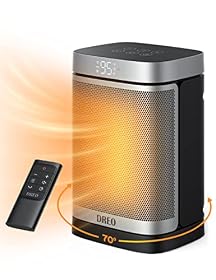
Only use a smart plug with a space heater if the heater’s manufacturer explicitly allows it and the plug is rated for the heater’s load. Built-in controls are usually the safer choice.
Short answer
Usually, no. Use a smart plug with a space heater only if the heater’s manual or manufacturer explicitly says it is compatible, and the plug is rated for the heater’s electrical load. A smart plug does not make it safe to run a heater unattended or while you sleep.
Portable heaters draw substantial power. For example, a 1,500-watt heater on a 120-volt circuit draws about 12.5 amps. That can be close to the limit of some smart plugs, and a rating printed on a plug is not a substitute for the heater maker’s instructions or the plug maker’s guidance for sustained loads.
Check compatibility before plugging anything in
Read the heater manual. Look for instructions about smart plugs, remote operation, timers, and restoring power after an outage. If the manufacturer prohibits smart plugs or does not confirm compatibility, don’t use one.
Check the electrical ratings. Compare the heater’s input watts or amps with the smart plug’s rating. Confirm that the plug is intended for this type of sustained load; don’t rely on a maximum rating alone if the manufacturer gives separate limits.
Consider how the heater restarts. Some heaters stay off after power is restored; others may resume their last setting. Don’t assume a smart plug can safely turn the heater on remotely. Follow the heater maker’s instructions.
Use a suitable wall outlet. If both manufacturers permit the setup, plug the smart plug directly into a wall outlet and the heater directly into it. Don’t add an extension cord, power strip, or another adapter. Avoid sharing the circuit with other high-wattage appliances.
If the outlet or plug feels hot, smells unusual, makes crackling sounds, or shows discoloration, stop using the setup and unplug it if you can do so safely. Don’t keep resetting a tripped breaker; have a qualified electrician check the circuit if the problem recurs.
Heater with built-in scheduling and temperature control
Product prices and availability are accurate as of the date/time indicated and are subject to change. Any price and availability information displayed on Amazon.com at the time of purchase will apply to the purchase of this product.
Safer ways to control a space heater
Choose a heater with a manufacturer-approved timer, thermostat, or app controls if you want scheduled or remote operation. Those features are designed for that heater, though they do not remove the need to follow its safety instructions.
Place any portable heater on a stable, level surface with the clearances specified in its manual. Keep it away from bedding, curtains, furniture, and other combustible materials. Don’t leave it running unattended or while you’re asleep unless the manufacturer’s instructions and applicable fire-safety guidance specifically support that use. A smart plug’s remote shutoff is not a substitute for supervision.
Product prices and availability are accurate as of the date/time indicated and are subject to change. Any price and availability information displayed on Amazon.com at the time of purchase will apply to the purchase of this product.
FAQ
Can a smart plug handle a 1,500-watt space heater?
It depends on the specific heater and smart plug. A 1,500-watt heater on a 120-volt supply draws about 12.5 amps. Use the combination only if both manufacturers’ instructions and ratings permit it, including for sustained operation.
Can I turn on a space heater remotely with a smart plug?
Only if the heater’s manufacturer explicitly permits remote switching and explains how the heater behaves when power is restored. Otherwise, don’t use a smart plug to start it remotely.
Is it safe to leave a space heater on with a smart plug while I’m away?
A smart plug does not make unattended heater use safe. Follow the heater’s manual and fire-safety guidance, and don’t leave the heater operating unattended unless those instructions specifically allow it.