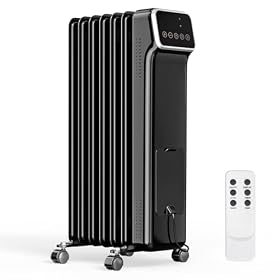
Ceramic Heater Oscillating but Blowing Cool Air: Fixes
If your ceramic heater oscillates but blows cool air, the fan and rotation may still work while the heating element is disabled. Check the heat mode, thermostat, airflow, safety switches, and power connection before replacing the heater.
A ceramic heater can keep oscillating and blowing air even when its heating element is not producing heat. Start by checking the heat setting and thermostat, then inspect airflow, the filter, tip-over switch, and power connection. If the heater still blows room-temperature air after these checks, its heating element, thermal fuse, or control board may have failed.
1. Confirm that heat is actually selected
Many ceramic heaters have separate controls for fan, low heat, high heat, and automatic temperature control. The oscillation function may continue in fan-only mode.
Check that:
The heater is set to low or high heat rather than fan-only mode.
The thermostat is turned well above the current room temperature.
An energy-saving, eco, sleep, or timer mode is not disabling the heating element.
The display does not show a target temperature that has already been reached.
Turn the heater off, unplug it briefly, and restart it using the highest heat setting. Give it a minute or two to begin producing warm air. Some models delay heating briefly during startup.
2. Check for restricted airflow
A blocked intake can cause a ceramic heater to shut off its heating element while the fan continues running. Dust buildup behind the intake grille, against a wall, or around the base can reduce airflow and trigger overheat protection.
With the heater unplugged and fully cool:
Move it away from walls, curtains, bedding, furniture, and other objects.
Inspect the front outlet and rear or side intake for dust and debris.
Clean the grilles with a soft brush or vacuum attachment.
If the manufacturer provides a removable filter, clean or replace it according to the manual.
Do not operate the heater with a filter removed if the instructions require one.
Do not insert tools through the grille or spray liquid into the heater. Never wash an electrical heater unless the manufacturer specifically says the part is washable.
Product prices and availability are accurate as of the date/time indicated and are subject to change. Any price and availability information displayed on Amazon.com at the time of purchase will apply to the purchase of this product.
3. Make sure the heater is sitting correctly
A tip-over safety switch can cut power to the heating element if the heater is tilted, placed on an uneven surface, or lifted while running. The fan or oscillation may not stop immediately, which can make the heater appear to be working normally.
Place the heater upright on a solid, level, nonflammable floor. Do not use it on a bed, sofa, thick carpet, shelf, or unstable table unless the manufacturer specifically permits that placement. Turn it off, unplug it, let it cool, and then restart it in the correct position.
If gently repositioning the heater repeatedly causes heat to come and go, stop using it. The tip-over switch or its mounting may be damaged.
Product prices and availability are accurate as of the date/time indicated and are subject to change. Any price and availability information displayed on Amazon.com at the time of purchase will apply to the purchase of this product.
4. Let the overheat protection reset
Ceramic heaters commonly have an internal high-temperature cutoff. It may disable heat after the unit overheats, while the fan continues to run or restarts to cool the heater.
To reset it safely:
Turn the heater off.
Unplug it from the wall outlet.
Let it cool completely, often for at least 20 to 30 minutes.
Clear dust and obstructions from the intake and outlet.
Place it upright in an open area.
Plug it directly into a suitable wall outlet and try again.
Do not bypass an overheat cutoff, tip-over switch, or thermal fuse. If the heater overheats again, smells hot, makes unusual noises, or shows discoloration, discontinue use.
5. Check the outlet and power connection
A loose connection, tripped breaker, or unsuitable power setup can prevent the heating circuit from operating correctly. Portable heaters generally draw substantial power, so connect the unit directly to a properly functioning wall outlet unless the manufacturer says otherwise.
Try these checks:
Test the outlet with another device you know works.
Reset a tripped circuit breaker or ground-fault outlet if appropriate.
Make sure the heater’s plug is fully inserted.
Inspect the cord and plug for cuts, melting, bent contacts, or heat damage.
Avoid extension cords, power strips, and plug adapters unless the heater’s instructions specifically approve them.
If the outlet, plug, or cord becomes hot, unplug the heater and have the electrical problem assessed. Do not continue using a damaged heater.
6. Consider a thermostat or sensor issue
In automatic mode, the heater may turn the element off when its temperature sensor believes the room has reached the selected setting. A heater near a warm appliance, in direct sunlight, or close to a wall may sense warmer air than the rest of the room.
Set the thermostat higher temporarily and move the heater into an open location. If it produces heat only at extreme settings or cycles off too quickly, the thermostat or temperature sensor may be inaccurate. That usually requires service or replacement rather than a user adjustment.
7. When the heating element has failed
If the fan and oscillation work, the controls respond, airflow is clear, and the heater still produces only room-temperature air, the heating circuit may have failed. Possible causes include a damaged heating element, thermal fuse, relay, thermostat, or control board.
Do not open the heater to test or bypass these components unless you are qualified to repair mains-powered equipment and can follow the manufacturer’s service procedures. Internal repairs can create shock and fire hazards, and some repairs are not economical on a small portable heater.
Replacement is usually the reasonable next step when:
The unit is out of warranty and has a failed heating circuit.
The cord, plug, housing, or controls show heat damage.
The heater repeatedly trips a breaker or safety cutoff.
It smells of burning plastic or electrical insulation.
The repair cost approaches the cost of a comparable replacement.
Quick diagnosis
Fan blows air, but heat returns after changing modes: The heater was likely in fan-only or automatic mode.
Heat returns after cleaning and cooling: Restricted airflow or overheat protection was likely involved.
Heat changes when the unit is moved: Check the level surface and tip-over switch; stop using it if the switch seems unreliable.
No heat after every safe check: Suspect an internal heating or control failure and replace or professionally service the unit.
Always follow the heater’s manual for clearances, cleaning, reset procedures, and approved electrical connections. Never cover a space heater or leave it operating unattended or while sleeping.
FAQ
Why is my ceramic heater blowing cold air but still oscillating?
Oscillation and the fan can operate independently of the heating element. The heater may be in fan-only mode, have reached its thermostat setting, or have disabled heat because of restricted airflow, overheating, or a safety switch.
How long should I let a ceramic heater cool before restarting it?
Let it cool completely, commonly at least 20 to 30 minutes, after unplugging it. Follow the manufacturer’s instructions if they specify a different reset period.
Can a dirty filter make a ceramic heater blow cold air?
Yes. A clogged intake or filter can restrict airflow and trigger overheat protection, which may turn off the heating element while the fan continues to run. Clean or replace only the filter specified by the manufacturer.
Is it safe to keep using a ceramic heater that oscillates but does not heat?
Only perform the external checks described in the manual. Stop using the heater if it smells burnt, becomes unusually hot, has cord or plug damage, trips a breaker, or repeatedly shuts down. Do not bypass safety switches or internal fuses.