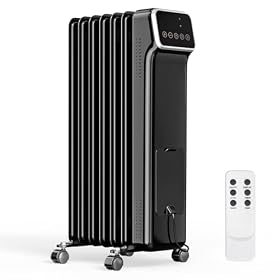
Heater for a metal shed: Safe sizing and buying guide
A metal shed can be difficult to heat because steel walls lose heat quickly and may create condensation. Learn which heater types make sense, how to size one, and the electrical and fire-safety checks to make before buying.
Heater for a metal shed
For most metal sheds, a thermostatically controlled electric heater is the simplest option—but only if the shed is reasonably dry, the circuit can handle the load, and nearby combustibles are kept clear. An uninsulated metal shed loses heat quickly, so improving the shed’s weather sealing and insulation may matter as much as choosing a more powerful heater.
Start with the shed, not the heater
Steel conducts heat readily. In winter, an uninsulated shed can feel cold even with a heater running, while warm indoor air can condense on the metal walls and ceiling. Before choosing a heater:
Seal obvious gaps around the door, roof, and wall panels.
Add appropriate insulation if you need the shed to stay warm for long periods.
Check for roof or wall leaks.
Keep the heater off wet floors and away from areas that may flood.
Use a thermometer to determine how cold the shed actually becomes.
If the shed is used only occasionally, heating it continuously may waste energy. A thermostat or a separate temperature controller designed for the heater can maintain a lower minimum temperature, but follow the heater manufacturer’s instructions and do not use an incompatible plug-in controller.
Choose the heater type
Ceramic or fan-forced electric heater
A ceramic or fan-forced heater warms the air quickly and is useful when you enter the shed and want heat soon. Look for a model with an adjustable thermostat, multiple heat settings, overheat protection, and a tip-over switch.
The fan can circulate warm air more effectively than a passive heater, but it may stir dust and can be less comfortable in a small work area. Keep sawdust, shavings, fabric, cardboard, and other debris away from the air intake and outlet.
Oil-filled radiator
An oil-filled radiator provides steadier, quieter heat and does not blow dust around. It is a reasonable choice for a dry shed used as a workspace or for maintaining a relatively stable temperature.
It heats more slowly and still has hot surfaces, so it needs generous clearance from stored items. Do not cover it or place it beneath shelves, benches, or hanging materials.
Infrared heater
An infrared heater warms people and nearby surfaces more directly than it warms the entire shed. It can work well if you occupy one work area rather than needing an even temperature throughout the building.
Only use a heater approved for the location and installation method. A heater intended for indoor rooms may not be suitable for a damp or dusty shed, and permanently mounted equipment should be installed according to the manufacturer’s instructions and local electrical requirements.
Fuel-burning heaters
Avoid using an unvented propane, kerosene, or gasoline heater in a closed metal shed unless it is specifically approved for that application and has the required ventilation. Combustion heaters can create carbon monoxide, consume oxygen, add moisture, and ignite flammable vapors. Never use a fuel-burning heater near gasoline, paint thinner, propane cylinders, solvents, or other flammable materials.
For a workshop where fuel, solvents, or combustible dust may be present, consult a qualified professional about the heating system rather than relying on a portable heater.
Product prices and availability are accurate as of the date/time indicated and are subject to change. Any price and availability information displayed on Amazon.com at the time of purchase will apply to the purchase of this product.
Match wattage to the room and electrical circuit
Portable electric heaters commonly operate at a high output, so the electrical circuit is often the limiting factor. A 1,500-watt heater on a 120-volt supply draws about 12.5 amps. That can leave little capacity on a typical household circuit, especially if lights, chargers, tools, or another heater share it.
Before buying, check:
The heater’s maximum wattage and whether it has a lower setting.
What else is connected to the same circuit.
Whether the shed receptacle, wiring, and circuit are suitable for the load.
Whether the location requires GFCI protection under local code.
Whether the outlet is grounded and in good condition.
Plug a portable heater directly into a suitable wall receptacle. Do not use a power strip, multi-outlet adapter, or an undersized extension cord. If the shed requires an extension cord to reach power, have a qualified electrician install an appropriate outlet or circuit instead of treating a long extension cord as a permanent solution.
If the breaker trips, the receptacle becomes hot, lights dim, you smell burning plastic, or the plug feels unusually warm, turn the heater off and stop using the circuit until it has been inspected.
Product prices and availability are accurate as of the date/time indicated and are subject to change. Any price and availability information displayed on Amazon.com at the time of purchase will apply to the purchase of this product.
Safety features that matter
Prioritize these features over remote controls or decorative settings:
Overheat protection: Shuts the heater down if its internal temperature becomes excessive.
Tip-over switch: Important on uneven shed floors or around work activity.
Stable base or approved wall mounting: Reduces the chance of accidental contact.
Clear operating instructions: The heater should state whether it is suitable for the intended environment.
A lower heat setting: Useful when a full-output setting overloads the circuit or overheats a small space.
A timer or app connection can be convenient, but do not use remote operation as a reason to leave a heater running unattended. Follow the manual’s rules about unattended operation, timers, and smart plugs.
Product prices and availability are accurate as of the date/time indicated and are subject to change. Any price and availability information displayed on Amazon.com at the time of purchase will apply to the purchase of this product.
Position the heater carefully
Place the heater on a stable, level, noncombustible surface with the clearance specified by the manufacturer. Keep it away from:
Cardboard and paper
Sawdust and wood shavings
Curtains, clothing, blankets, and upholstery
Paint, solvents, gasoline, propane, and aerosols
Water sources and damp spots
Doorways where it can be knocked over
Do not dry clothing on the heater, block its intake or outlet, or run its cord beneath rugs or across areas where it can be damaged. Keep the shed ventilated enough to control condensation, but remember that opening doors and vents also increases heat loss.
When a heater is not the right fix
A portable heater may be unsuitable if the shed is wet, the wiring is questionable, the circuit cannot support the load, or flammable materials are stored nearby. It is also a poor long-term solution for an uninsulated shed with large air gaps; much of the heat will escape.
Improve insulation and weather sealing first when you need reliable temperature control. If the shed is being converted into a heated workshop, have the electrical supply evaluated before installing a high-load heater or multiple outlets. A qualified electrician can determine whether a dedicated circuit, GFCI protection, grounding improvements, or permanent heating equipment is needed.
Bottom line
For a dry, reasonably sealed metal shed, choose an electric ceramic heater for quick spot heating or an oil-filled radiator for quieter, steadier warmth. Select a thermostat, tip-over switch, and overheat protection, then verify the circuit and clearances before operating it. Do not use a fuel-burning heater in an enclosed shed without equipment specifically approved for that setting and proper ventilation.
FAQ
What size heater do I need for a metal shed?
The required output depends on the shed’s floor area, insulation, air leakage, outdoor temperature, and target temperature. An uninsulated metal shed may not stay warm efficiently even with a high-output portable heater. Improve sealing and insulation, then choose a heater with adjustable output and a thermostat rather than assuming the largest heater is best.
Can I use a space heater in a metal shed?
You can use a portable electric heater only when the shed is dry, the heater is approved for the environment, the circuit can safely handle its load, and combustible materials are kept clear. Use a GFCI-protected outlet where required by local code, and follow the manufacturer’s clearance and operating instructions.
Can I run a space heater in a shed overnight?
Do not assume that overnight operation is safe. Follow the heater’s instructions about unattended use, and avoid leaving a portable heater operating when nobody is present unless the manufacturer specifically permits it and the installation is appropriate. A qualified professional should evaluate any system intended for continuous freeze protection.
Is an oil-filled radiator safer for a metal shed than a ceramic heater?
Neither type is automatically safe in every shed. An oil-filled radiator offers quiet, steady heat, while a ceramic heater warms air more quickly. Both require proper clearances, a suitable circuit, overheat protection, and protection from moisture and combustible debris.
Why does my metal shed still feel cold with a heater running?
The most likely causes are uninsulated walls or roof, gaps around the door, poor air sealing, an undersized heater for the heat loss, or a thermostat located in a warm spot. Check for drafts and condensation first, then confirm that the heater is operating at the intended setting without overloading the circuit.