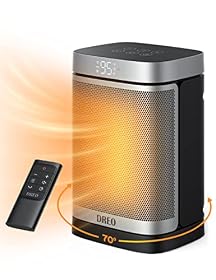
A 1500-watt heater can make a small room feel warmer fairly quickly, but there is no single warm-up time. Room size, insulation, drafts, and what “warm” means all matter.
A 1500-watt space heater may make a small, well-insulated room feel noticeably warmer in about 15–30 minutes. Getting the whole room—including walls, furniture, and floors—to a comfortable, steady temperature can take 30–60 minutes or longer. A large, drafty, or very cold room may never reach the set temperature with one heater.
The heater’s wattage tells you how much electrical power it uses, not exactly how long your room will take to warm. A 1500-watt heater produces about 5,100 BTU of heat per hour, but the room loses some of that heat through windows, walls, floors, and air leaks.
What changes the warm-up time
Room size and ceiling height: More air and interior surfaces need to warm. An open doorway or connected space effectively adds area to heat.
Insulation and drafts: Good insulation and closed windows help the heat stay in. Cold windows, exterior walls, and air leaks slow progress.
Starting temperature: A room starting near a comfortable temperature warms faster than one that has been cold for hours.
What you mean by “warm”: Air near the heater can feel warm before the far side of the room—or cold floors and furniture—does.
Heater placement and airflow: Keep the heater on a stable, level surface and follow its clearance instructions. Do not block its air intake or outlet.
Product prices and availability are accurate as of the date/time indicated and are subject to change. Any price and availability information displayed on Amazon.com at the time of purchase will apply to the purchase of this product.
How to check your room’s actual warm-up time
Close the room’s doors and windows, if appropriate, and note the starting temperature.
Put a room thermometer away from the heater’s direct airflow and radiant heat.
Run the heater according to its instructions and check the temperature after 20–30 minutes.
Check again later. The temperature may rise at first and then level off as heat escaping from the room balances the heater’s output.
A thermostat set to a higher temperature generally does not make a 1500-watt heater produce heat faster. It usually just makes the heater run longer before it cycles off.
If the room is still cold
First, make sure the heater is set up correctly and that its thermostat is not sensing warm air right beside the unit. Close drafts where practical, keep the room door closed, and allow more time for cold surfaces to warm. If the heater is running continuously but the room temperature barely rises, the room may be too large or poorly insulated for one 1500-watt heater.
Most 1500-watt heaters draw about 12.5 amps on a 120-volt supply. Follow the heater’s electrical instructions, plug it directly into a suitable wall outlet, and avoid overloading a circuit shared with other high-power appliances. Stop using it if the plug, outlet, or cord becomes unusually hot, or if you notice damage; consult the manufacturer or a qualified electrician as appropriate.
FAQ
Is 30 minutes enough for a 1500-watt heater to warm a room?
It may be enough to make a small, insulated room feel warmer, but not necessarily to bring the entire room and its surfaces to a steady comfortable temperature. Larger or draftier rooms can take much longer.
Can a 1500-watt space heater heat a whole room?
It can provide supplemental heat in a suitably sized room, but the result depends on the room’s size, insulation, ceiling height, and heat loss. An open plan or drafty space may be too much for one heater.
Does turning the thermostat higher warm the room faster?
Usually not. A higher setting typically makes the heater run longer; it does not increase the output beyond its rated wattage.
Why does the air feel warm but the room still feels cold?
The heater can warm nearby air before cold walls, floors, furniture, and distant parts of the room have warmed. Drafts and heat loss can also keep the room from reaching a comfortable, even temperature.