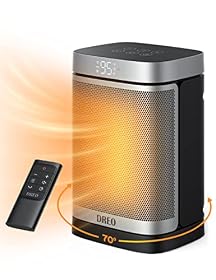
For a 150-square-foot bedroom, a space heater with up to about 1,500 watts is usually the practical size range. The best choice depends on insulation, ceiling height, climate, noise tolerance, and whether you want quick heat or steady background warmth.
A 1,500-watt space heater is usually an appropriate size for a 150 sq ft bedroom, but room conditions matter. A well-insulated bedroom may need less power, while a drafty room, high ceiling, or cold climate can require more heating time. For bedroom use, prioritize a thermostat, quiet operation, tip-over protection, and overheat protection rather than choosing based on wattage alone.
How much power does a 150 sq ft bedroom need?
Most portable electric heaters operate at up to 1,500 watts on a standard 120-volt household circuit. That is generally the upper practical limit for a plug-in space heater in the US.
A useful starting point is:
750 watts: Lower heat output for mild weather, smaller heating zones, or well-insulated rooms
1,000 watts: Moderate supplemental heat
1,500 watts: Maximum common output for faster heating or colder room conditions
A 1,500-watt heater does not necessarily run at full power continuously. A built-in thermostat can cycle the heating element on and off after the room reaches the selected temperature. This can make a thermostat more useful than simply buying the highest-output heater available.
The actual result depends on insulation, windows, drafts, ceiling height, outdoor temperature, and whether the heater is supplementing central heat or heating the entire room. A space heater may also struggle if the bedroom has an open doorway to a much larger, unheated area.
Which type is best for a bedroom?
Ceramic fan heater: best for quick warmth
Ceramic heaters use an electric heating element and a fan to move warm air around the room. They can warm the area near the heater relatively quickly and are often compact.
Choose this type if you want:
Faster warm-up
A small footprint
Adjustable fan and heat settings
Heat directed toward a particular part of the room
The main tradeoff is fan noise. Even a heater advertised as quiet may be noticeable in a very quiet bedroom, especially when the fan runs continuously.
Oil-filled radiator: best for quiet, steady heat
Oil-filled radiators warm an internal fluid and release heat gradually through their metal fins. They generally do not use a fan, so they can be a better fit for sleeping or light sleepers.
Choose one if you want:
Minimal operating noise
Steadier background warmth
Heat that continues to radiate for a while after the thermostat cycles off
No forced-air fan blowing dust around the room
They usually take longer to warm up and can be heavier than compact ceramic heaters. The surface and surrounding area can also become hot, so placement is important.
Radiant heater: best for personal, directional heat
Radiant heaters warm people and nearby objects more directly than they warm the entire room. They can work well beside a bed or desk, but their coverage is less uniform.
This type may be suitable when you need warmth in one location rather than consistent temperature throughout a 150 sq ft bedroom. Keep bedding, curtains, clothing, and other combustible materials well away from the heating area.
Product prices and availability are accurate as of the date/time indicated and are subject to change. Any price and availability information displayed on Amazon.com at the time of purchase will apply to the purchase of this product.
Features that matter most in a bedroom
Adjustable thermostat
A thermostat lets you select a target temperature instead of leaving the heater on continuously. Look for a control that clearly distinguishes thermostat operation from simple low/high power settings.
A heater with only low and high settings can still work, but it gives you less control and may cycle less efficiently for your comfort.
Low-noise operation
If you plan to sleep with the heater running, compare the design rather than relying only on a “quiet” label. Oil-filled radiators are typically fanless. Ceramic heaters may include a low setting, but the fan can still produce a steady sound.
Some heaters also make clicking sounds when the thermostat switches on and off. That may be normal, but it can matter if you are sensitive to intermittent noise.
Tip-over and overheat protection
For bedroom use, choose a heater with an automatic tip-over shutoff and overheat protection. These features reduce risk if the unit is knocked over or becomes excessively hot, but they do not make unsafe placement acceptable.
Do not disable a safety switch or operate a heater that has damaged wiring, a cracked housing, a loose plug, or signs of overheating.
Timer and remote control
A timer can turn the heater off after you fall asleep or after the room reaches a comfortable temperature. A remote control is convenient, especially when the heater is across the room, but neither feature replaces a thermostat or safe placement.
Use any timer according to the manufacturer’s instructions. Avoid using a heater unattended for long periods unless the manufacturer specifically permits that operating pattern.
Display brightness and controls
A bright display or loud control beeps can be distracting in a bedroom. If possible, look for a display-off setting, dimming option, or simple controls. Mechanical thermostats may be less precise, while electronic controls usually offer clearer temperature settings.
Product prices and availability are accurate as of the date/time indicated and are subject to change. Any price and availability information displayed on Amazon.com at the time of purchase will apply to the purchase of this product.
Electrical and placement safety
Plug a portable heater directly into a properly installed wall outlet. Do not use an extension cord, power strip, or plug adapter unless the heater manufacturer explicitly approves it and the electrical requirements are met. High-wattage heaters can overheat undersized cords and connections.
Keep the heater on a hard, level, nonflammable surface with plenty of clearance around it. Do not place it on a bed, carpet pile that can obstruct airflow, dresser, chair, or other unstable surface. Keep it away from curtains, blankets, clothing, furniture, and the bed.
Do not cover the heater or block its air intake or outlet. Keep children and pets away from hot surfaces, and follow the clearances in the owner’s manual even if they differ from general guidance.
If a wall outlet, plug, or cord becomes hot, unplug the heater and stop using that outlet until the issue is evaluated. Repeated breaker trips, burning smells, buzzing, sparking, or visible damage are reasons to discontinue use and consult a qualified electrician or the manufacturer.
Product prices and availability are accurate as of the date/time indicated and are subject to change. Any price and availability information displayed on Amazon.com at the time of purchase will apply to the purchase of this product.
Estimated operating cost
A 1,500-watt heater uses 1.5 kilowatt-hours for every hour it runs at full power. A 750-watt setting uses 0.75 kilowatt-hours per hour at full power. Your cost depends on your electric utility’s rate and how often the thermostat cycles the heater.
Use this formula to estimate energy cost:
Power in kilowatts × hours of operation × electricity rate = estimated cost
For example, a 1.5-kilowatt heater running continuously for four hours uses 6 kilowatt-hours. In normal thermostat-controlled operation, actual consumption may be lower, but a cold or drafty room can keep the heater running longer.
What to look for when buying
For a typical 150 sq ft bedroom, a practical specification checklist is:
Maximum output of up to 1,500 watts
A lower heat setting, preferably around 750 watts
Adjustable thermostat
Tip-over shutoff
Overheat protection
Direct wall-plug operation
Suitable clearance instructions for bedroom placement
Fanless operation if sleep noise is a major concern
Timer or automatic shutoff if it fits your routine
Choose an oil-filled radiator for quiet, gradual warmth. Choose a ceramic heater for quicker warm-up and a smaller footprint. Choose a radiant heater when you mainly need direct warmth near the bed or another fixed spot.
When a space heater is not enough
A portable heater is best for supplemental heat or one room. If the bedroom remains very cold despite the heater running correctly, check for drafts around windows and doors, inadequate insulation, blocked central-heating vents, or a heating-system problem.
Do not solve a major heating problem by placing multiple high-wattage heaters on the same circuit. If the room needs continuous high-output heating, have the home’s electrical capacity and heating system evaluated by a qualified professional.
FAQ
Is a 1,500-watt heater too large for a 150 sq ft bedroom?
Usually not. A 1,500-watt heater is a common maximum size for a portable heater and can be appropriate for a 150 sq ft bedroom, particularly in cold or drafty conditions. Use the thermostat and lower heat setting to avoid unnecessary full-power operation.
What is the quietest type of space heater for a bedroom?
Oil-filled radiators are typically among the quietest because they do not use a fan. They warm more slowly than many ceramic fan heaters, so they are better for steady background heat than immediate warmth.
Can I leave a space heater on while sleeping?
Follow the manufacturer’s instructions, but conservative safety practice is to avoid leaving a portable heater running unattended or while asleep. Use a thermostat or timer when available, keep the heater clear of bedding and curtains, and plug it directly into a wall outlet.
How many watts does a 150 sq ft bedroom need?
A 750- to 1,500-watt range covers many supplemental-heating situations. The right setting depends on insulation, drafts, ceiling height, climate, and the temperature difference you need to overcome.