Weatherstripping can be a better first step than adding a space heater if cold air is leaking around doors or windows. Sealing those gaps can reduce drafts without adding another electrical appliance, but it does not create heat or fix cold caused by inadequate insulation or a weak central heating system.
Use Cases · Fri Sep 18
Weatherstripping Instead of a Space Heater
Weatherstripping can reduce drafts and help a room feel more comfortable, but it cannot replace heat when the room itself is too cold. Start by finding leaks, then decide whether you still need supplemental heat.
When weatherstripping is a better choice
Try sealing leaks first if you feel cold air near a closed door or window, notice a draft across the floor, or have to keep a heater running mainly to counter incoming cold air. It may also help if a room is comfortable in the middle but chilly near an exterior door or window.
Weatherstripping is less likely to solve the problem if the whole room stays cold, walls or floors feel cold, or the central heating system cannot maintain the temperature. Those signs may point to insufficient insulation, a heating-system issue, or another problem that sealing gaps alone will not address.
Recommended option
 DREO Space Heater, Portable Electric Heaters for Indoor Use with ThermostatDREO
$35.14 as of
View on Amazon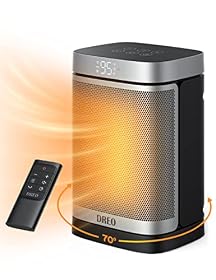 DREO Space Heater, Portable Electric Heaters for Indoor Use with ThermostatDREO
$49.99 as of
View on Amazon GiveBest Space Heater, Portable Space Heaters for Indoor UseGiveBest
$26.99 as of
View on Amazon
Product prices and availability are accurate as of the date/time indicated and are subject to change. Any price and availability information displayed on Amazon.com at the time of purchase will apply to the purchase of this product.
What weatherstripping can—and can't—do
Weatherstripping closes gaps around movable parts such as doors and operable windows. It can limit drafts and reduce the amount of heated indoor air escaping through those gaps. Door sweeps can help close the gap at the bottom of a door.
It will not warm a room on its own. If a room needs more heat after leaks are sealed, weatherstripping and a space heater can be used together: sealing drafts may make the room more comfortable, while the heater supplies supplemental warmth.
Find and seal the biggest leaks
Check the likely leak points before buying materials:
- Inspect door and window edges. Look for worn, loose, cracked, or missing seals. Close the door or window and check whether it latches snugly.
- Feel for moving air. On a cold, windy day, slowly move your hand near the edges. A lightweight tissue can also make airflow easier to spot.
- Check the bottom of exterior doors. A visible gap may need a suitable door sweep or threshold adjustment.
- Choose material that fits the location. Use products intended for the surface and gap size, and make sure a door or window can still close and lock correctly.
- Recheck after installation. Close the door or window and repeat the draft check. Replace or adjust material that bunches, peels away, or interferes with operation.
Do not seal intentional ventilation openings, appliance vents, or drainage and weep holes in windows. If the home has fuel-burning appliances, do not block combustion-air openings; ask a qualified professional if you are unsure which openings must remain clear. Renters should check with the property owner before making permanent changes.
When a space heater still makes sense
A space heater may still be useful when a room remains too cold after obvious drafts are addressed, or when you need temporary warmth in an occupied area. Choose a heater according to the room and its intended use, and follow the manufacturer's instructions for placement and operation.
Use a heater on a stable, level surface, keep it away from curtains and other combustible materials, and plug it directly into a wall outlet unless the manufacturer specifies otherwise. Do not leave it running unattended or while sleeping unless its instructions explicitly allow that use. If a heater, outlet, or cord becomes unusually hot, smells burnt, or shows damage, stop using it and have the issue checked.
If drafts persist despite intact seals, or the room remains cold throughout, investigate insulation and the heating system rather than expecting weatherstripping to solve a heat-supply problem.
FAQ
Can weatherstripping replace a space heater?
Only when drafts are the main reason the room feels cold and the home's heating system otherwise keeps it warm enough. Weatherstripping reduces air leaks but does not generate heat.
Should I weatherstrip a room before using a space heater?
If you find drafts around doors or operable windows, sealing suitable gaps can improve comfort. Keep required ventilation and appliance openings clear, and use any heater according to its manufacturer's instructions.
How can I find a draft without special tools?
Check door and window edges with your hand or hold a lightweight tissue nearby to see whether it moves. Do not use an open flame to look for drafts.
What if a room is still cold after weatherstripping?
The issue may be inadequate insulation, a heating-system problem, or another source of heat loss. A space heater can provide supplemental warmth in an occupied area, but consider having persistent whole-room cold investigated.