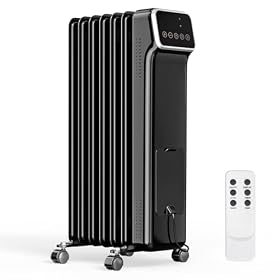
A clicking space heater is not always broken: an occasional click may be the thermostat cycling. If it keeps clicking without producing heat, check the mode, airflow, filter, tip-over switch, outlet, and thermal protection before replacing the heater.
A space heater that clicks but is not heating usually has a setup, airflow, thermostat, or safety-shutoff problem. An occasional click can be normal when the thermostat turns the heating element on and off. Repeated clicking with no heat, a burning smell, damaged cord, visible damage, or a heater that trips the breaker means you should stop using it and unplug it.
What the clicking may mean
- Occasional clicking: The thermostat may be cycling normally as the room reaches the set temperature.
- Repeated clicking with no heat: The heater may be detecting low airflow, overheating, a tip-over condition, or another fault.
- A single click followed by no operation: A thermal cutoff, tip-over switch, control board, or electrical component may have opened the circuit.
- Clicking with a fan but no warmth: The heating element may not be energizing, or the heater may be operating in fan-only mode.
Troubleshooting steps
1. Check the heat setting and thermostat
Make sure the heater is set to a heating mode rather than fan-only, eco, or standby mode. Turn the thermostat well above the current room temperature. Some heaters click once when heating starts and again when the thermostat stops heating.
If the heater runs briefly, clicks, and shuts off, the thermostat may be sensing heat from the unit rather than the room. Move the heater away from walls, curtains, furniture, and other heat sources. Do not cover the heater or place objects on top of it.
2. Unplug it and inspect the air path
Unplug the heater and allow it to cool completely. Check the intake and exhaust grilles for dust, pet hair, lint, or objects. Restricted airflow can activate thermal protection, causing the heater to click or shut down.
Clean only as the manufacturer instructs. A soft brush or vacuum may be appropriate for external grilles, but do not insert tools into the housing, spray liquid into the heater, or disassemble it. If the heater has a user-replaceable filter, clean or replace it with the specified filter before trying the unit again.
3. Check for a tip-over switch problem
Place the heater on a firm, level floor in its normal upright position. Many portable heaters will not heat unless an internal tip-over switch detects that the unit is standing correctly.
Do not bypass, tape down, or modify the tip-over switch. If the heater is upright on a level surface but continues clicking as though it is tipped over, discontinue use and follow the manufacturer’s service or replacement guidance.
4. Confirm the electrical connection
Plug the heater directly into a properly functioning wall outlet. Avoid extension cords, power strips, and plug-in timers unless the manufacturer specifically permits them. Portable heaters draw substantial current, and an undersized or damaged connection can overheat.
Check the plug, cord, and outlet for discoloration, looseness, melting, cracking, or unusual warmth. Do not use the heater if any of these signs are present. If the circuit breaker or GFCI outlet trips, do not repeatedly reset it to keep using the heater; have the electrical issue evaluated by a qualified professional.
You can try a different suitable wall outlet only if the heater and its cord show no damage. Do not run multiple high-wattage appliances from the same circuit.
5. Let the thermal protection reset
Overheating protection may shut off the heating element while the fan or control electronics continue clicking. Unplug the heater, clear the surrounding space, and let it cool for the period specified in the manual. Afterward, place it upright with open space around the intake and exhaust and try it once.
If it clicks and fails again after cooling, the cause may be a blocked internal passage, failing fan, defective thermostat, or damaged thermal cutoff. These parts should not be bypassed or repaired casually.
6. Consider the room and heater size
If the heater produces some warmth but the room remains cold, the unit may be too small for the space, the room may lose heat quickly, or drafts may be overwhelming its output. This is different from producing no heat at all.
Check the heater’s rated wattage and recommended room conditions in the manual. Do not use a higher-wattage heater than the circuit and manufacturer allow. A thermostat cycling off in a well-insulated room may be normal; constant clicking in a cold room with no warm airflow is not.
When the heater needs service or replacement
Stop using the heater and replace it or contact the manufacturer when:
- It repeatedly clicks but never produces heat after the basic checks.
- The cord, plug, housing, grille, or controls are damaged.
- There is a burning odor, smoke, sparking, melted plastic, or unusual buzzing.
- It trips a breaker or GFCI outlet.
- The fan does not run and the heater becomes hot.
- The tip-over or overheat protection appears to activate when the unit is correctly positioned and unobstructed.
Do not open a portable space heater unless you are qualified to service electrical heating equipment and the manufacturer permits that work. Safety switches, thermostats, heating elements, and thermal cutoffs are not appropriate parts to bypass. For an older or inexpensive heater with an internal electrical fault, replacement is usually more practical and safer than component-level repair.
Bottom line
An occasional click may simply be the thermostat cycling. For repeated clicking without heat, first check the mode, thermostat, airflow, filter, upright position, outlet, and thermal reset. If the heater still fails—or shows any electrical or overheating warning signs—unplug it and replace it or arrange qualified service rather than continuing to reset it.