Space heater for a rental that cannot change thermostats
A portable space heater can warm one cold room without changing your rental’s thermostat. Here’s how to choose the right type, wattage, and safety features while avoiding overloaded outlets and poor placement.
A space heater is a practical way to warm one room in a rental when you cannot change the thermostat, but the best choice depends on the room’s size, insulation, outlet capacity, and how long you plan to run it. For most renters, look for a thermostat, tip-over shutoff, overheat protection, a stable base, and controls that are easy to use without modifying the property.
What to look for in a rental space heater
Choose the right heating style
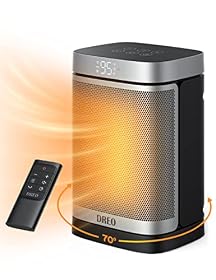
Ceramic fan heaters: Heat a room quickly and are usually compact. They work well when you want warmth soon after entering a bedroom, office, or living area.
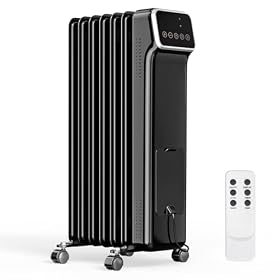
Oil-filled radiators: Heat more gradually but provide quiet, steady warmth. They can be a better fit for bedrooms, home offices, or rooms where fan noise is distracting.
Radiant heaters: Warm people and nearby objects directly rather than circulating as much air. They may suit a seated workspace, but they require careful placement because nearby objects can become hot.
No plug-in heater makes electricity disappear into free heat: electrical energy becomes heat. The main differences are how quickly that heat reaches you, how evenly it spreads, how noisy the unit is, and how precisely it maintains temperature.
Match output to the room
Many portable heaters are designed around a maximum draw of up to about 1,500 watts on a standard 120-volt household outlet, while smaller models may have lower settings. Check the heater’s nameplate and manual rather than assuming every model uses the same amount of power.
A heater’s advertised coverage is only a starting point. A drafty room with tall ceilings, exterior walls, old windows, or poor insulation may need more heat than a smaller, well-insulated room. If the space is large or consistently cold, a heater may be more useful for a defined area—such as a desk or seating zone—than for the entire room.
A built-in thermostat is especially useful in a rental. It cycles the heater on and off around the selected temperature instead of requiring continuous manual operation. A low setting can also reduce power use and lessen the load on the circuit.
Electrical limits matter in rentals
Before buying, identify which outlets and appliances share the circuit. A high-wattage space heater can overload a circuit when used with another high-draw appliance, such as a microwave, toaster, hair dryer, portable air conditioner, or heated appliance.
Follow these precautions:
Plug the heater directly into a wall outlet unless the manufacturer specifically allows otherwise.
Do not use an extension cord, power strip, surge protector, or adapter unless the heater’s instructions explicitly permit it and the cord is properly rated.
Stop using the heater if the plug, outlet, or cord becomes hot, discolored, loose, or damaged.
If a breaker trips, unplug the heater and identify what else is on that circuit. Do not repeatedly reset the breaker while continuing to run the heater.
Ask the landlord or a qualified electrician about persistent outlet problems, warm receptacles, flickering lights, or inadequate wiring.
A heater should not require any change to the rental’s wiring, thermostat, or electrical panel. If it does, it is not a suitable renter-friendly solution.
Product prices and availability are accurate as of the date/time indicated and are subject to change. Any price and availability information displayed on Amazon.com at the time of purchase will apply to the purchase of this product.
Safety features worth prioritizing
Look for features that reduce risk rather than features that simply add convenience:
Tip-over shutoff: Turns the heater off if it is knocked over.
Overheat protection: Shuts the unit down if internal temperatures become unsafe.
Adjustable thermostat: Helps maintain a target temperature without constant full-power operation.
Stable base: Reduces the chance of tipping during normal use.
Clear power and temperature controls: Useful when you need to turn the heater off quickly.
A cool-touch or lower-temperature exterior, where offered: This can reduce contact hazards, but it does not make the heater safe to cover or place against objects.
Keep the heater on a level, hard, nonflammable surface with several feet of clearance from bedding, curtains, clothing, furniture, paper, and other combustible materials. Never cover it, place it inside a cabinet, or use it to dry clothes.
Do not operate a portable heater while sleeping or leave it running unattended unless the manufacturer’s instructions and your local fire-safety guidance clearly allow that use. Keep children and pets away from hot surfaces and cords.
Product prices and availability are accurate as of the date/time indicated and are subject to change. Any price and availability information displayed on Amazon.com at the time of purchase will apply to the purchase of this product.
The best setup for common rental rooms
Bedroom
A quiet oil-filled radiator may be more comfortable if fan noise is disruptive. A ceramic heater may be preferable when you need fast warm-up before getting into bed. Keep the heater well away from bedding and curtains, and use the thermostat rather than running it continuously at maximum output.
Home office
A compact ceramic or radiant heater can warm a work area without trying to heat the whole rental. Position it so air can circulate freely and so the cord does not cross a walkway. If the room is occupied for long periods, a thermostat and automatic safety shutoffs are more valuable than extra controls.
Living room
A fan heater may distribute warmth more quickly, while an oil-filled radiator can provide quieter, steadier heat. For an open-plan or poorly insulated space, consider whether targeted personal warmth is more realistic than heating the entire area with one portable unit.
Bathroom
Use a heater in a bathroom only if the manufacturer specifically identifies it as suitable for that environment. Keep all portable heaters away from water, sinks, tubs, and wet floors. A standard room heater is not automatically safe for bathroom use.
Product prices and availability are accurate as of the date/time indicated and are subject to change. Any price and availability information displayed on Amazon.com at the time of purchase will apply to the purchase of this product.
Check your lease before buying
Most leases do not require thermostat changes for a portable heater, but building rules may limit portable heating appliances. Check for restrictions involving:
Open-coil or exposed-element heaters
Heaters in bedrooms or bathrooms
Maximum wattage
Extension cords or power strips
Appliances on older circuits
Smoke alarms, fire doors, or clearance around heating equipment
If the rental is unusually cold throughout the property, document the temperature and contact the landlord or property manager. A portable heater can provide temporary comfort, but it may not resolve inadequate central heating, drafts, a failed thermostat, or another building problem.
When a different solution makes more sense
A space heater is usually best for one occupied room or a limited personal area. Consider another approach when:
Multiple rooms need heat at the same time
The heater repeatedly trips breakers
The room remains cold despite proper placement and continuous operation
Windows or doors have obvious drafts
The central heating system is malfunctioning
The heater must run unattended for long periods
In those cases, ask the property manager to address the building or heating problem. Do not attempt to alter the thermostat, wiring, furnace, or electrical panel yourself.
Bottom line
For most renters who cannot change the thermostat, choose a portable heater with a thermostat, tip-over shutoff, overheat protection, and a stable base. Select ceramic for quick warmth, oil-filled for quiet steady heat, or radiant heating for a focused seating area. Confirm the heater’s wattage, use a suitable wall outlet, maintain generous clearance, and follow both the manufacturer’s instructions and your lease rules.
FAQ
What type of space heater is best for a rental?
The best type depends on how you use the room. Ceramic heaters warm spaces quickly, oil-filled radiators operate quietly and provide steady heat, and radiant heaters are useful for warming a nearby person or seating area. For most rentals, safety shutoffs and a thermostat matter more than the heating style.
Can I plug a space heater into a power strip?
Usually, no. Plug the heater directly into a wall outlet unless the manufacturer’s instructions specifically allow another arrangement. Do not use a power strip, surge protector, adapter, or extension cord that is not approved and properly rated for the heater.
How many watts should a rental space heater use?
Choose based on the room, insulation, and the circuit’s capacity. Many portable heaters draw up to about 1,500 watts at maximum output, but check the specific heater’s nameplate and manual. Do not run it with other high-wattage appliances on the same circuit.
Is it safe to leave a space heater on overnight?
The safest general practice is to turn a portable heater off before sleeping or leaving the room. Follow the manufacturer’s instructions and local fire-safety guidance, and never operate a heater near bedding, curtains, clothing, or other combustible materials.
What should I do if the heater keeps tripping the breaker?
Unplug the heater and identify what other appliances share the circuit. Avoid repeatedly resetting the breaker while using the heater. If the breaker trips with the heater alone, or if the outlet is warm, loose, discolored, or damaged, stop using the heater and contact the landlord or a qualified electrician.