A poorly insulated spare room needs more than a high heat setting. Learn how to choose the right wattage, heater type, controls, and safety features for a colder room.
A 1500-watt space heater with a thermostat, tip-over protection, and overheat protection is usually the most practical starting point for a poorly insulated spare room. However, insulation and drafts matter as much as heater wattage: a heater can warm the air while the room continues losing heat through windows, doors, walls, and floors.
Choose the wattage carefully
Many portable electric heaters use a maximum setting of about 1,500 watts, but the actual rating varies by model. Check the heater’s label and manual rather than assuming its output.
A higher wattage does not automatically make a heater suitable for every room. It can also place more demand on the circuit. Before buying:
Check the heater’s wattage and voltage requirements.
Confirm the room’s electrical circuit can handle the load.
Avoid running another high-wattage appliance on the same circuit.
Plug the heater directly into a properly installed wall outlet.
Do not use an extension cord, power strip, or surge protector unless the manufacturer specifically permits it.
For a small spare room, a heater that can run at a lower setting is often more useful than one with only a maximum setting. Lower output can maintain comfort after the room warms up while using less electricity.
Pick the heater type for how the room is used
Ceramic fan heater
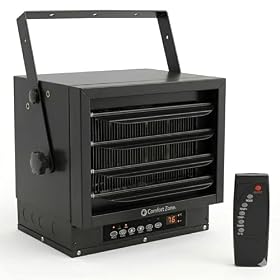
A ceramic heater with a fan can warm the air relatively quickly, making it useful when the spare room is used for a few hours at a time. Look for adjustable heat levels, a thermostat, and a fan-only setting if you want to use it outside the heating season.
The fan may produce noticeable noise, and moving air can feel less comfortable in a drafty room. Keep the heater clear of curtains, bedding, clothing, and furniture.
Oil-filled radiator
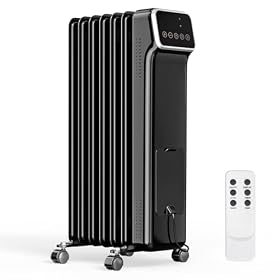
An oil-filled radiator heats more gradually but provides steady, quiet warmth. It can be a good fit for a spare bedroom, office, or guest room where the heater will run for longer periods and fan noise is undesirable.
It remains hot after being switched off, so it needs a stable location with plenty of clearance. It is not a fast solution if you need the room warm immediately.
Infrared heater
Infrared models heat people and nearby surfaces directly rather than relying only on warmed air. They can work well when someone stays in one area of the room, but they may not heat an entire poorly insulated room evenly. Check the manual for required clearance around the heating element.
Product prices and availability are accurate as of the date/time indicated and are subject to change. Any price and availability information displayed on Amazon.com at the time of purchase will apply to the purchase of this product.
Prioritize these features
For this use case, the most useful features are:
Adjustable thermostat: Helps maintain a target temperature instead of running continuously.
Multiple heat settings: A lower setting can reduce energy use once the room is comfortable.
Tip-over shutoff: Turns the heater off if it falls over.
Overheat protection: Provides an additional automatic shutoff if the unit becomes too hot.
Clear controls: Useful if the heater will be used by guests or overnight, although portable heaters should not be left running unattended unless the manufacturer specifically allows it.
A sturdy base: Especially important on carpet or in a room where the heater could be bumped.
A timer: Helpful for warming the room before use, but it should not replace basic supervision and safe placement.
A remote control, oscillation, or app connection may be convenient, but these features do not compensate for poor insulation or an undersized heater.
Product prices and availability are accurate as of the date/time indicated and are subject to change. Any price and availability information displayed on Amazon.com at the time of purchase will apply to the purchase of this product.
Reduce heat loss before buying a larger heater
A few inexpensive changes can make the existing heater more effective:
Close the door to separate the room from colder areas.
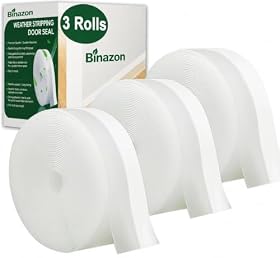
Seal obvious drafts around the door with a suitable door sweep or weatherstripping.
Close curtains or blinds at night, while keeping them safely away from the heater.
Check for drafts around windows and inspect removable window seals.
Use a rug on a cold floor if appropriate for the room.
Keep furniture and fabric at a safe distance from the heater.
Do not cover a radiator, block a heater’s air intake or outlet, or place it directly against a wall unless the manual allows that arrangement. Heat-resistant clearance requirements vary by design.
Product prices and availability are accurate as of the date/time indicated and are subject to change. Any price and availability information displayed on Amazon.com at the time of purchase will apply to the purchase of this product.
Estimate the electricity cost
Electric resistance heaters convert essentially all of the electricity they consume into heat, so a heater’s running cost depends mainly on its wattage and operating time. Use this formula with your electricity rate:
cost = kilowatts × hours of operation × electricity rate
For example, a 1.5-kilowatt heater running continuously for four hours uses 6 kilowatt-hours. The thermostat may cycle the heater on and off, so actual consumption can be lower than a continuous-run estimate. Check your utility bill for the rate per kilowatt-hour.
A thermostat helps control operating time, but it cannot overcome severe heat loss indefinitely. If the heater runs almost constantly and the room remains cold, sealing drafts or improving insulation may be more effective than buying another portable heater.
Safe placement matters more in a spare room
Place the heater on a level, nonflammable surface where it cannot be knocked over. Keep it well away from beds, curtains, paper, clothing, rugs that could obstruct airflow, and stored items. Do not use it to dry clothes or warm bedding.
Keep children and pets away from hot surfaces and cords. Inspect the plug and cord before use. Stop using the heater if the cord, plug, outlet, or housing becomes unusually hot, smells like burning, sparks, or shows damage. If an outlet is loose, discolored, buzzing, or overheating, stop using it and have the electrical problem evaluated by a qualified professional.
Follow the manufacturer’s instructions for bathroom use, overnight operation, clearance, and thermostat settings. Never use a portable electric heater in a wet location unless it is specifically designed and approved for that use.
When a space heater is not the right fix
Consider a permanent heating or insulation solution if:
The room never reaches a comfortable temperature even with the heater running.
The heater operates continuously for long periods.
The circuit cannot safely support the heater.
The room has major drafts, inadequate windows, or very poor insulation.
You need unattended or whole-home heating.
A replacement heater is reasonable when the existing unit has damaged wiring, unreliable controls, no required safety shutoffs, or a persistent burning smell. Do not repair internal electrical components yourself unless you are qualified and the manufacturer provides an approved repair procedure.
FAQ
What size space heater is best for a poorly insulated spare room?
Start by checking the room size and the heater’s stated coverage, but remember that poor insulation can reduce practical performance. A model with adjustable heat levels and a thermostat is generally more useful than one that only operates at maximum output.
Is an oil-filled radiator or ceramic heater better for a cold spare room?
Choose a ceramic fan heater for faster warm-up and an oil-filled radiator for quieter, steadier heat. Neither type eliminates heat loss from drafts or poor insulation, so sealing the room can improve comfort with either design.
Can I leave a space heater on overnight in a spare bedroom?
Follow the manufacturer’s instructions, but portable heaters should generally not be left unattended or operating while people are asleep unless the product is specifically designed and approved for that use. Use a properly functioning thermostat and all required safety clearances.
Why does my space heater run constantly but the room stays cold?
The room may be losing heat through drafts, windows, doors, floors, or inadequate insulation. Check those sources first, then confirm the heater is set up correctly, unobstructed, and connected to a suitable wall outlet. If it still cannot maintain temperature, consider insulation improvements or a properly designed permanent heating system.