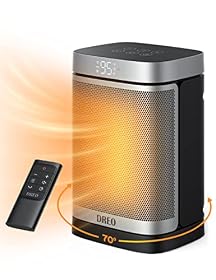
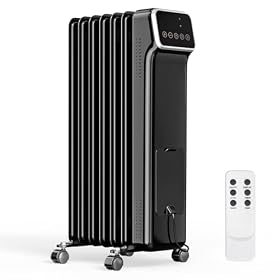
A space heater usually trips a breaker because its high-wattage heating element overloads a shared circuit, but a damaged cord, bad outlet, blocked airflow, or internal fault can also be responsible. Follow these checks in order and avoid repeatedly resetting the breaker.
A space heater can trip a breaker because it draws more power than the circuit can safely supply, especially when other appliances share the same circuit. Unplug the heater, reset the breaker only once, and check the circuit and heater in a safe order. If the breaker trips again immediately, stop using the heater until the cause is identified.
1. Unplug other appliances on the circuit
Space heaters use substantial power. A heater labeled 1,500 watts draws about 12.5 amps on a 120-volt circuit, before any other devices on that circuit are counted.
The same circuit may also supply outlets in nearby rooms, lights, a refrigerator, a microwave, a computer, or other heating equipment. Unplug or switch off other high-draw devices, then reset the breaker and try the heater by itself.
Do not keep resetting a breaker that trips repeatedly. A breaker is protecting the wiring from excessive current or a fault.
2. Check whether the heater is on a dedicated circuit
Plug the heater directly into a wall outlet. Do not use a power strip, extension cord, plug adapter, or surge protector unless the heater manufacturer specifically permits that setup and the device is rated appropriately. Many portable heaters should be connected directly to a suitable wall outlet.
If the heater works alone but trips the breaker when other devices run, the circuit is likely overloaded. Move the other appliance to a different circuit if you can identify one, or have an electrician evaluate the circuit. Do not assume that two outlets in different rooms are on different circuits.
A 15-amp or 20-amp breaker rating does not mean the entire rating is always available for a heater. The circuit's wiring, existing load, and electrical-code requirements also matter.
Replacement heater for a circuit that is frequently overloaded
Product prices and availability are accurate as of the date/time indicated and are subject to change. Any price and availability information displayed on Amazon.com at the time of purchase will apply to the purchase of this product.
3. Inspect the plug, cord, and outlet
With the heater unplugged, look for:
Melted or discolored plastic
Scorch marks around the plug or outlet
A loose plug that does not fit firmly
Cuts, crushing, fraying, or exposed wire on the cord
A hot, buzzing, sparking, or burning-smell outlet
Do not use a heater with any of these signs. Do not replace a heater's plug or cord yourself unless the manufacturer specifically provides an approved repair procedure. A loose or damaged outlet should be inspected by a qualified electrician.
If a receptacle feels hot, shut off the circuit if it is safe to do so and stop using that outlet.
Product prices and availability are accurate as of the date/time indicated and are subject to change. Any price and availability information displayed on Amazon.com at the time of purchase will apply to the purchase of this product.
4. Check for a blocked intake or outlet
Some space heaters have an air intake grille or filter. Dust, lint, pet hair, furniture, curtains, or bedding can restrict airflow and cause the heater to overheat. Turn the heater off, unplug it, let it cool, and clear the surrounding area according to the owner's manual.
If the heater has a removable filter, clean or replace it only with the specified type. Do not operate the heater with a missing filter if the manufacturer says one is required, and do not cover the air intake or warm-air outlet.
Keep the heater on a stable, level surface with the clearance specified by the manufacturer. Do not place it inside a cabinet, under furniture, or close against a wall or curtain.
Product prices and availability are accurate as of the date/time indicated and are subject to change. Any price and availability information displayed on Amazon.com at the time of purchase will apply to the purchase of this product.
5. Confirm that the heater is set up correctly
Check the following before trying it again:
The power switch is fully off before plugging it in.
The heater is upright if it has an upright-only design.
The tip-over switch, if equipped, can engage on a firm, level surface.
The thermostat is not being used with an unsuitable external timer or smart plug.
The heater is not connected to another heating appliance through the same outlet or adapter.
A tip-over switch usually stops the heater from operating; it does not normally explain an overloaded circuit. Still, an unstable setup is a separate fire hazard and should be corrected.
6. Consider a full or obstructed heater
Most portable space heaters do not have a water tank or drum that becomes full, but some specialized units may have a removable filter, collection area, or another serviceable component. Follow the manual for any indicator light, filter warning, or overheat shutdown.
If the heater repeatedly shuts down, smells hot, makes unusual noises, or trips the breaker after it has cooled and been placed in a clear area, do not continue testing it.
7. Determine whether the heater or the circuit is at fault
If the heater trips the breaker immediately when plugged in, even with other loads disconnected, the heater, cord, plug, or outlet may have a short or leakage fault. Unplug it and do not try it repeatedly in other outlets.
If several unrelated appliances trip the same breaker, or the breaker will not reset, the problem may be in the circuit or electrical panel. If the breaker trips only when the heater and other devices run together, the circuit may simply be overloaded.
A ground-fault circuit interrupter, or GFCI, may trip instead of a standard breaker. GFCI trips can indicate current leakage or moisture. Do not bypass the GFCI or use a non-GFCI adapter to keep the heater running.
When to replace the heater or call an electrician
Replace or professionally service the heater when it has a damaged cord, scorched plug, burning smell, repeated breaker trips, unusual sparking, or a fault that follows the heater to different suitable outlets. Do not open the heater's housing unless you are qualified and the manufacturer provides an approved service procedure.
Call a qualified electrician if the outlet is hot or damaged, the breaker will not reset, multiple appliances cause trips, the wiring is old or questionable, or you are unsure which circuit supplies the outlet. Electrical panels and household wiring can present shock and fire hazards even when an appliance is unplugged.
The safest replacement is a heater whose power requirements fit the circuit and whose safety features, placement requirements, and operating instructions match the room. A lower-wattage model may reduce circuit load, but it still must be plugged directly into an appropriate outlet and kept clear of combustible materials.
FAQ
Can I use an extension cord with a space heater?
Generally, no. Many manufacturers direct users to plug portable heaters directly into a suitable wall outlet because extension cords and power strips can overheat. Follow the heater's manual and never use a damaged or undersized cord.
Why does my space heater trip the breaker after running for a while?
The circuit may be overloaded, or the heater may be overheating because of blocked airflow, dust, or a developing internal fault. Disconnect other high-power appliances, check the heater's clearances and filter instructions, and stop using it if the breaker trips again.
Why does the breaker trip as soon as I plug in the heater?
An immediate trip can indicate a short, damaged cord or plug, a faulty outlet, or current leakage. Unplug the heater and do not repeatedly reset the breaker or test the heater in multiple outlets.
Can a lower-wattage space heater prevent breaker trips?
It may reduce the load, but it will not fix a damaged heater, faulty outlet, or wiring problem. Confirm the circuit's existing load and follow the heater manufacturer's connection and clearance instructions.